I see operational inefficiencies the way some people see colors.
I see operational inefficiencies the way some people see colors.
I see operational inefficiencies the way some people see colors.
In 2.5 days at a call center, I identified $50K+ in annual waste. In 15 minutes at a bakery, I designed a system worth $60K-120K annually. I don't analyze businesses through frameworks I perceive them differently. Then I build the systems to fix what I see.
In 2.5 days at a call center, I identified $50K+ in annual waste. In 15 minutes at a bakery, I designed a system worth $60K-120K annually. I don't analyze businesses through frameworks I perceive them differently. Then I build the systems to fix what I see.
In 2.5 days at a call center, I identified $50K+ in annual waste. In 15 minutes at a bakery, I designed a system worth $60K-120K annually. I don't analyze businesses through frameworks I perceive them differently. Then I build the systems to fix what I see.
What Makes This Different
Pattern Recognition That Happens Automatically
Most consultants analyse operations through learned frameworks.
I perceive operational patterns involuntarily the way some people have perfect pitch for music.
Walking through a business, my brain automatically maps:
Where money is bleeding (theft, waste, errors)
Where automation should exist but doesn't
Where human behaviour creates inefficiency
What the optimal system looks like
Then I design the solution and build the technical implementation.
This isn't consulting. It's perception-based operational redesign.
My Services
What I Do



Let's Start
Let's Start
Let's Start
How This Works
From Observation to Implementation
I don't just point out problems. I solve them.
Step 1: Observe
I spend hours watching your actual operations not interviewing, not reviewing documents.
I need to see workflows, customer interactions, worker behaviour, system touchpoints.
Step 2: Identify Root Causes
Most inefficiencies trace to unmet human needs: unclear expectations, misaligned incentives,
lack of verification, inadequate tools. I map problems to root causes.
Step 3: Design Systems
I design operational architecture that addresses roots, not symptoms.
Systems that make good behaviour easy and bad behaviour difficult.
Step 4: Implement Technically
I build the automation, databases, dashboards, and integrate with existing workflows.
You get working systems, not just recommendations.
Step 5: Monitor Results
Track performance, identify new opportunities, iterate based on data.
Continuous improvement, not one-time fix.
How This Works
From Observation to Implementation
I don't just point out problems. I solve them.
Step 1: Observe
I spend hours watching your actual operations not interviewing, not reviewing documents.
I need to see workflows, customer interactions, worker behaviour, system touchpoints.
Step 2: Identify Root Causes
Most inefficiencies trace to unmet human needs: unclear expectations, misaligned incentives,
lack of verification, inadequate tools. I map problems to root causes.
Step 3: Design Systems
I design operational architecture that addresses roots, not symptoms.
Systems that make good behaviour easy and bad behaviour difficult.
Step 4: Implement Technically
I build the automation, databases, dashboards, and integrate with existing workflows.
You get working systems, not just recommendations.
Step 5: Monitor Results
Track performance, identify new opportunities, iterate based on data.
Continuous improvement, not one-time fix.
Case Studies
Recent Examples
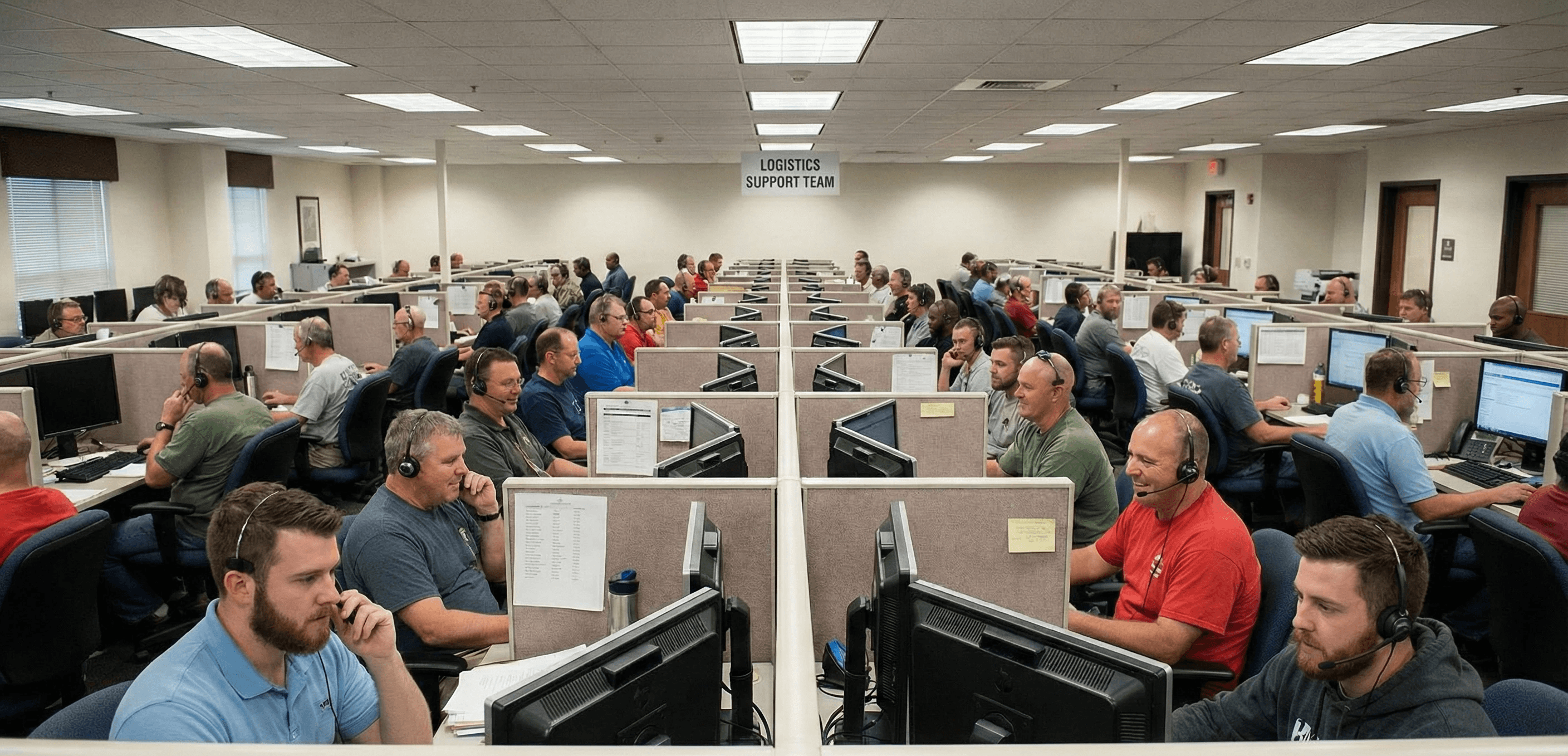
Call Center
Call Center Operations, Waste Identified: $50K-100K
While working as an agent (not a consultant), I identified systematic inefficiencies costing 60-70% of agent productive time. Designed AI-powered solutions for lead qualification, call screening, and automation.

Bakery
Bakery Operations, designed in: 15 Minutes
Complete System Architecture in Under 30 Minutes During a customer visit to a neighbourhood bakery, I designed enterprise-grade operational system addressing theft, waste, quality control, and automation. Estimated value: $60K-120K annually.

Retail Business
Retail Operations Comprehensive Redesign
Multi-Department Operational System Design Designed complete cloud-based operational architecture for multi-service retail business. Addressed theft vectors, worker accountability, inventory tracking, and financial visibility.
Testimonials
What My Clients Say

"He took a complex GPT-based health project with multiple logic layers
and delivered a clean, production-ready backend that exceeded expectations...
introduced smart architectural improvements."- Health Tech Client
Rating: ⭐⭐⭐⭐⭐ (4.7/5)

"Mohannad is very patient and knowledgeable. I look forward to working
with him on similar AI/LLM/ML projects."- FinTech Client
Rating: ⭐⭐⭐⭐⭐ (4.9/5)

"Mohannad is very efficient and goes out of his way to satisfactorily
complete the project."- Healthcare Client
Rating: ⭐⭐⭐⭐⭐ (5.0/5)
Testimonials
What My Clients Say
"He took a complex GPT-based health project with multiple logic layers
and delivered a clean, production-ready backend that exceeded expectations...
introduced smart architectural improvements."- Health Tech Client
Rating: ⭐⭐⭐⭐⭐ (4.7/5)
"Mohannad is very patient and knowledgeable. I look forward to working
with him on similar AI/LLM/ML projects."- FinTech Client
Rating: ⭐⭐⭐⭐⭐ (4.9/5)
"Mohannad is very efficient and goes out of his way to satisfactorily
complete the project."- Healthcare Client
Rating: ⭐⭐⭐⭐⭐ (5.0/5)
"He took a complex GPT-based health project with multiple logic layers
and delivered a clean, production-ready backend that exceeded expectations...
introduced smart architectural improvements."- Health Tech Client
Rating: ⭐⭐⭐⭐⭐ (4.7/5)
"Mohannad is very patient and knowledgeable. I look forward to working
with him on similar AI/LLM/ML projects."- FinTech Client
Rating: ⭐⭐⭐⭐⭐ (4.9/5)
"Mohannad is very efficient and goes out of his way to satisfactorily
complete the project."- Healthcare Client
Rating: ⭐⭐⭐⭐⭐ (5.0/5)
"He took a complex GPT-based health project with multiple logic layers
and delivered a clean, production-ready backend that exceeded expectations...
introduced smart architectural improvements."- Health Tech Client
Rating: ⭐⭐⭐⭐⭐ (4.7/5)
"Mohannad is very patient and knowledgeable. I look forward to working
with him on similar AI/LLM/ML projects."- FinTech Client
Rating: ⭐⭐⭐⭐⭐ (4.9/5)
"Mohannad is very efficient and goes out of his way to satisfactorily
complete the project."- Healthcare Client
Rating: ⭐⭐⭐⭐⭐ (5.0/5)
"He took a complex GPT-based health project with multiple logic layers
and delivered a clean, production-ready backend that exceeded expectations...
introduced smart architectural improvements."- Health Tech Client
Rating: ⭐⭐⭐⭐⭐ (4.7/5)
"Mohannad is very patient and knowledgeable. I look forward to working
with him on similar AI/LLM/ML projects."- FinTech Client
Rating: ⭐⭐⭐⭐⭐ (4.9/5)
"Mohannad is very efficient and goes out of his way to satisfactorily
complete the project."- Healthcare Client
Rating: ⭐⭐⭐⭐⭐ (5.0/5)

Let's Start
Book a 30-minute discovery call. I'll understand your operational challenges,
share relevant examples from my work, and explain what an engagement would look like.
No pressure. No sales pitch. Just a conversation about your operations.
Let's Start
Book a 30-minute discovery call. I'll understand your operational challenges,
share relevant examples from my work, and explain what an engagement would look like.
No pressure. No sales pitch. Just a conversation about your operations.
Let's Start
Book a 30-minute discovery call. I'll understand your operational challenges,
share relevant examples from my work, and explain what an engagement would look like.
No pressure. No sales pitch. Just a conversation about your operations.